From New to Worn Out: How Long Does Your Toothbrush Really Last
Written By: Awa Mbye
Supervised & Edited By: Dr. Levy Do, DDS
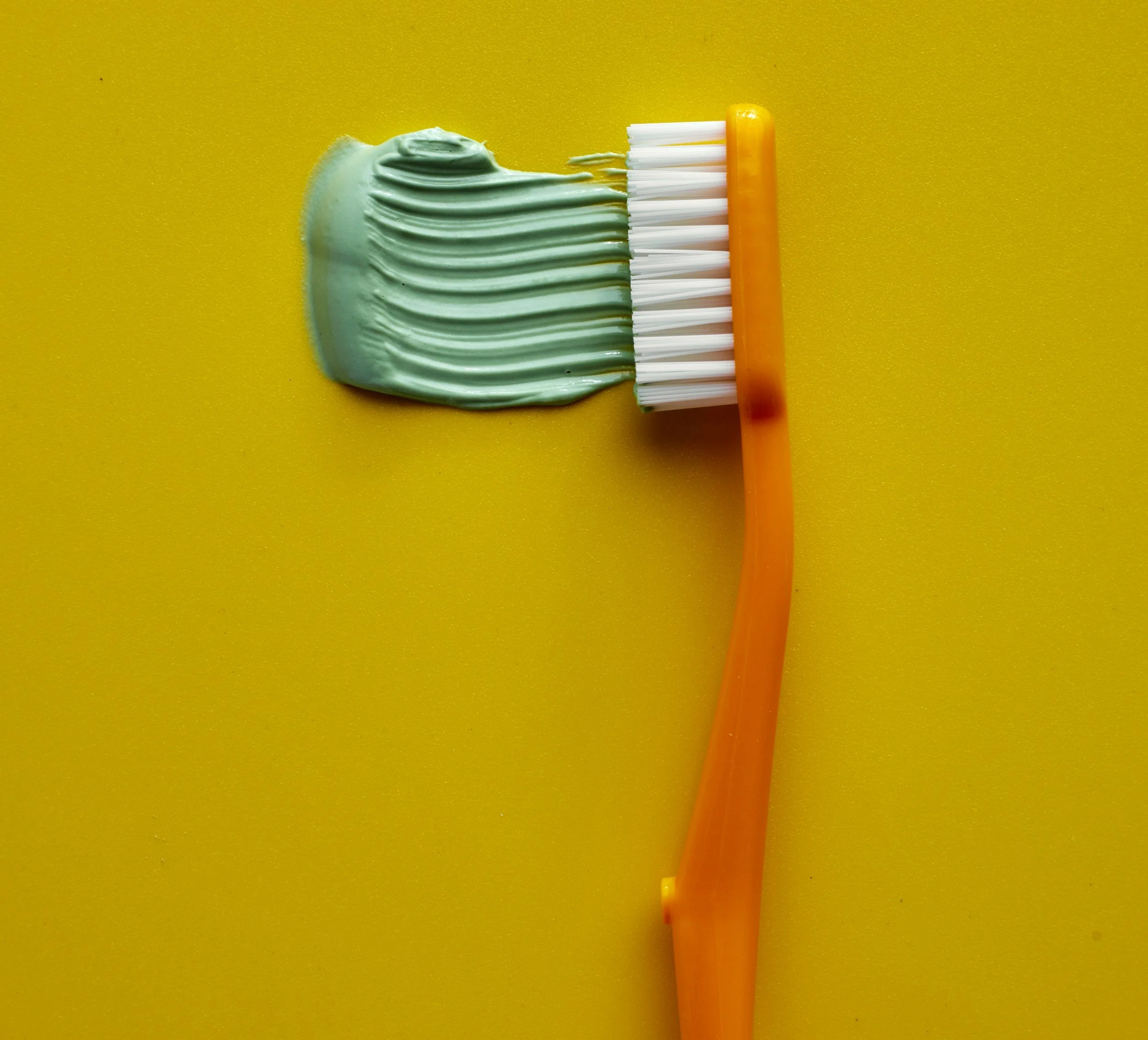
We all know brushing is important, but how often do we think about the tool we are using to do it? Your toothbrush works hard every day, scrubbing away plaque, food, and bacteria. However, over time, it loses its effectiveness and can even become a source of germs. The truth is, your toothbrush might be past its prime long before it looks worn out.
Toothbrush Lifespan Explained
Every time you brush, the bristles bend, fray, and wear down. Worn bristles can’t clean as effectively, leaving behind plaque and bacteria that can harm your teeth and gums. Toothbrushes can also collect bacteria, especially if they stay damp between uses. Using an old toothbrush is like trying to scrub a dirty floor with a worn-out sponge; it just doesn’t get the job done.
Red Flags Your Toothbrush Is Worn Out
1. Frayed, Bent, or Splayed Bristles
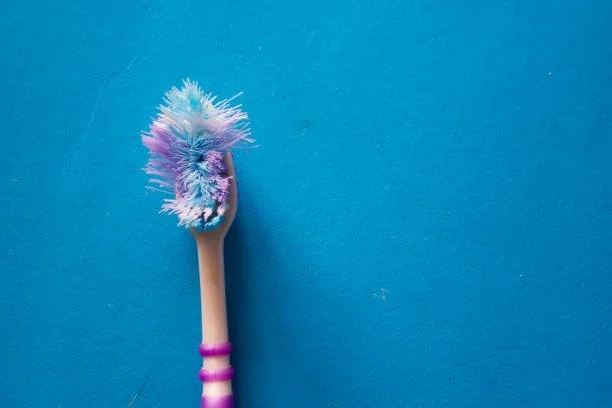
When the bristles spread out or bend, they cannot clean the gumline or between teeth very well. Worn bristles remove less plaque and leave more buildup behind.
2. Bristles Feel Soft or Useless
If your toothbrush feels like it is just sliding over your teeth instead of scrubbing them, the bristles may be worn down. Even if it still looks okay, it most likely is not cleaning effectively anymore.
3. You Have Been Sick Recently
After a cold, flu, or other illness, germs can remain on your toothbrush. A new toothbrush helps prevent those germs from getting back into your body.
4. It Has Been Three to Four Months
Both the American Dental Association (ADA) and Centers for Disease Control & Prevention (CDC) recommend replacing toothbrushes every 3 to 4 months, or sooner once the bristles get worn, to decrease the risk of gum disease.
Pointers for Keeping Your Toothbrush Healthy
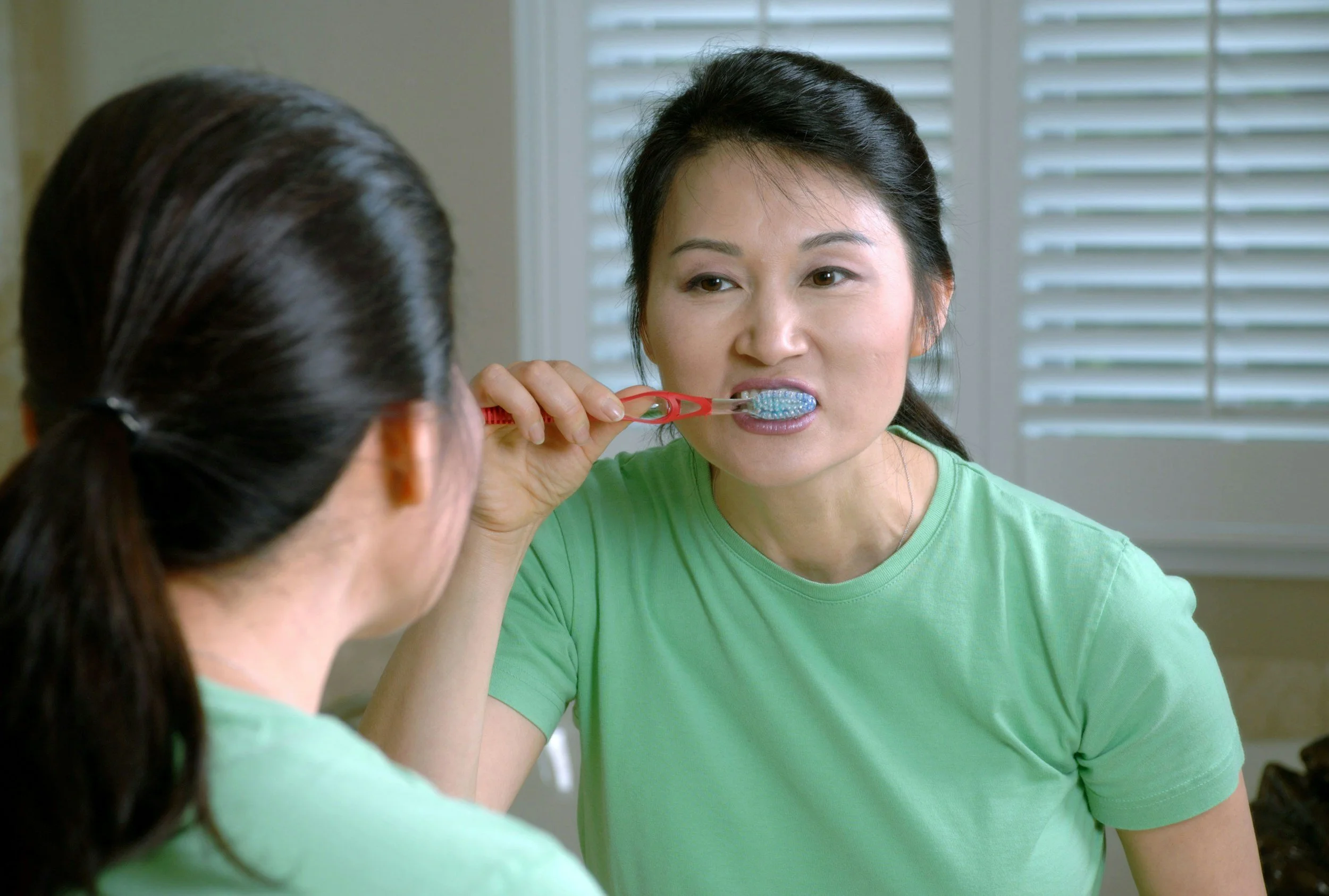
1. Rinse It Well After Every Use
Run your toothbrush under water to remove toothpaste and debris. Shake off the extra water before putting it away.
2. Store It Upright and Let It Dry
Keeping your toothbrush standing up helps it dry properly. Try not to keep it in closed containers for long periods since moisture can allow bacteria to grow.
3. Do Not Share Your Toothbrush
A toothbrush should always be used by one person only. Sharing spreads bacteria and can lead to infections.
Good Habits Make a Healthy Smile
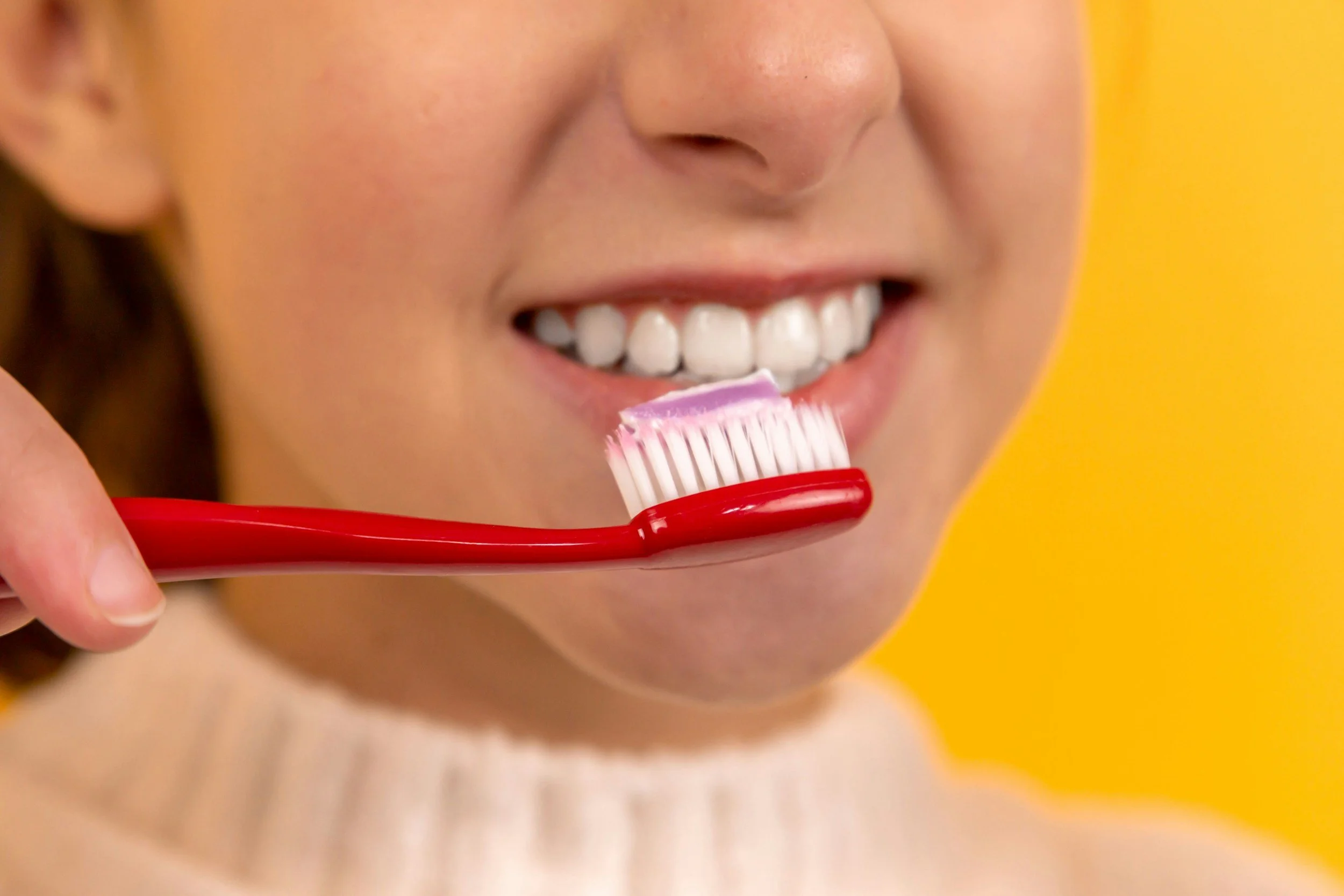
Your toothbrush is one of the simplest tools for keeping your teeth and gums healthy, but only if it’s in good shape . Regular toothbrush replacement helps prevent plaque buildup, bad breath, and other dental problems before they start. At Pine Cove Dental, we are happy to answer questions about toothbrush care, recommend the best options, and ensure your daily brushing routine is doing its job.