The Quiet Problem: Why Gum Disease Can Get Worse Before You Feel Anything
Written By: Terry Kilpatrick, RDA
Supervised & Edited By: Samantha Corral, RDH
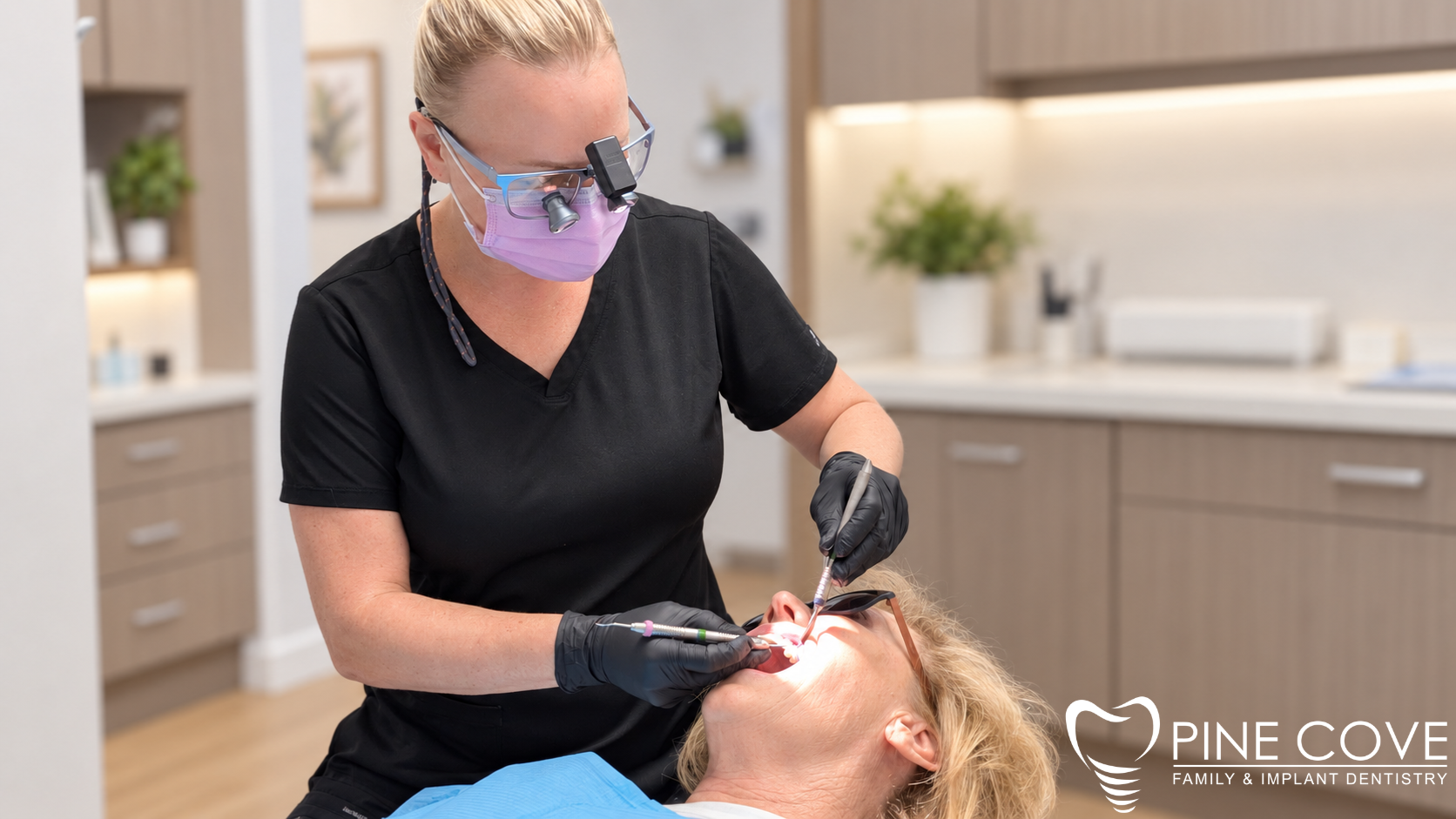
Most people expect a dental problem to hurt, but gum disease does not always provide that warning. It can begin with subtle changes, such as occasional bleeding, redness, swelling, persistent bad breath, or no noticeable symptoms at all.
That is why routine dental evaluations are so important. At Pine Cove Dental, we look beyond cavities to evaluate the health of your gums, bone, and the supporting structures that keep your smile strong.
Why Gum Disease Can Be Easy to Miss

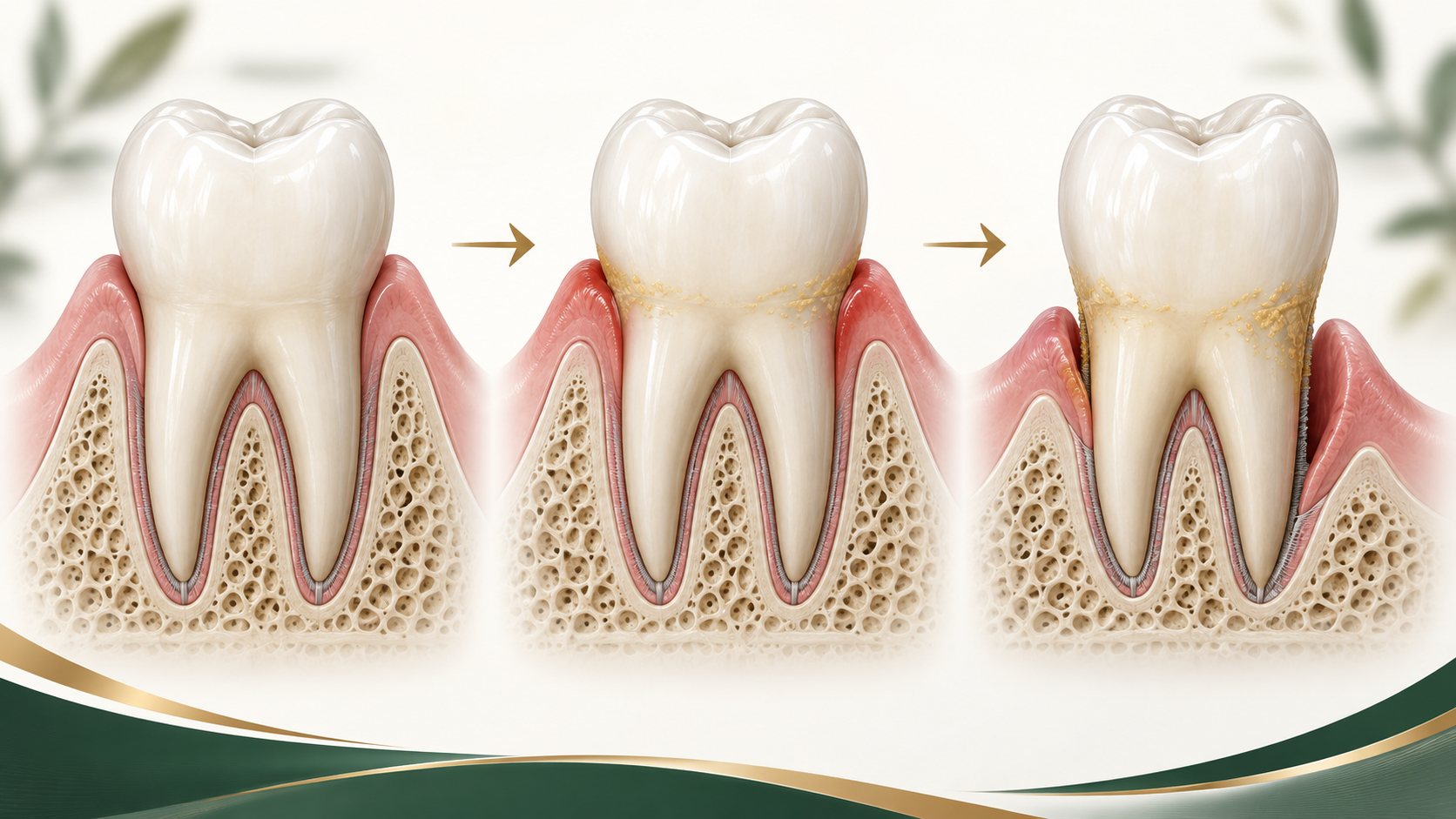
Gum disease begins when plaque and bacteria irritate the tissue surrounding the teeth. In its earliest stage, known as gingivitis, the gums may become inflamed or bleed without causing significant discomfort.
If left untreated, the condition can progress beneath the gumline into periodontitis, affecting the tissues and bone that support the teeth. More noticeable changes, such as gum recession, loose teeth, or changes in your bite, may not appear until the disease has already advanced.
Regular evaluations allow us to identify these subtle changes early, before they become more difficult to manage.
Signs Gum Disease May Be Developing: Even Without Pain
Gum disease does not look or feel exactly the same for everyone. Some warning signs may be mild, come and go, or seem unrelated to a larger dental concern.
Changes worth paying attention to include:
Gums that bleed when brushing or flossing
Red, swollen, tender, or puffy gums
Persistent bad breath or an unpleasant taste
Gums that appear to be pulling away from the teeth
Teeth that look longer because of gum recession
New sensitivity near the gumline
Changes in the spacing or position of your teeth
Loose teeth
A change in the way your teeth fit together when you bite
Discomfort when chewing
We consider all of these findings together rather than relying on one symptom or measurement. This gives us a clearer understanding of your overall gum health and helps us recommend care based on what your mouth actually needs.
What Do the Numbers Mean When We Measure Your Gums?
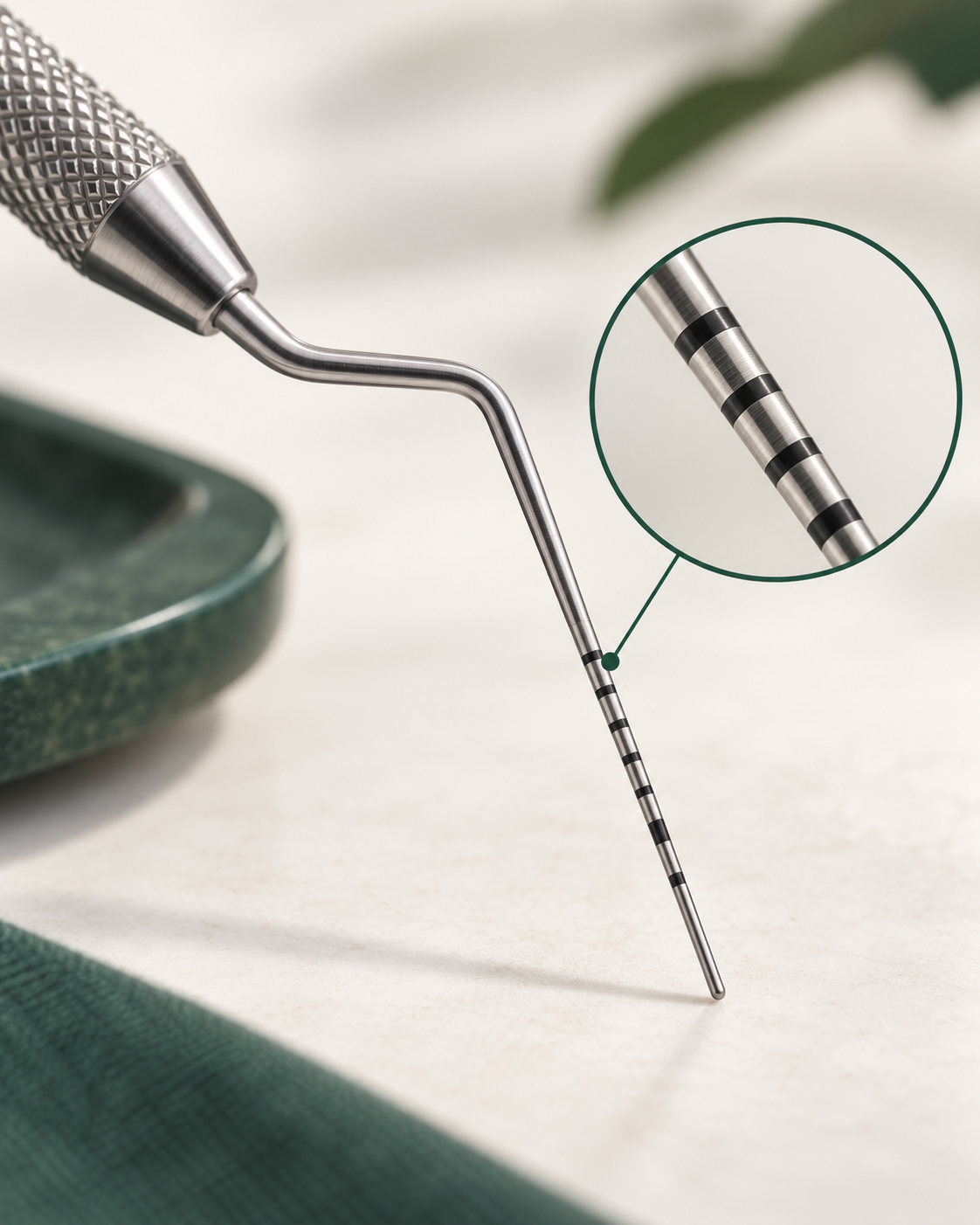
If you have ever heard your hygienist call out numbers such as “three, two, three, four” during an exam, those numbers are periodontal pocket measurements—not scores or grades.
Using a small measuring instrument, we gently check the space between each tooth and the surrounding gum tissue. Healthy gums typically fit closely around the teeth, while deeper spaces may allow plaque and bacteria to collect below the gumline, where regular brushing and flossing cannot easily reach.
One measurement alone does not determine your diagnosis. We consider the overall pattern of measurements along with bleeding, inflammation, tartar buildup, gum recession, bone levels, tooth movement, and your personal health history.
Recording these measurements also allows us to monitor your gum health over time. Even when nothing hurts, changes from one visit to the next can help us identify a developing concern.
Why Early Detection Matters
Gingivitis can often be reversed when inflammation is identified early and addressed with professional care and consistent oral hygiene at home.
Once gum disease progresses into periodontitis and begins damaging the bone and tissues supporting the teeth, that lost support cannot simply grow back on its own. However, professional periodontal care can help slow or manage the condition and protect the remaining support around your teeth.
Identifying gum disease early may allow for simpler treatment, reduce the risk of further damage, and help you maintain your natural teeth for as long as possible.
The goal is not to frighten you. It is to find small concerns while they are still small and give you the information needed to make confident decisions about your health.
Sources & Trustworthy Fact-Checking References
You can learn more about periodontal health through these trusted dental and public-health organizations:
American Dental Association — MouthHealthy: Gum Disease
https://www.mouthhealthy.org/all-topics-a-z/gum-disease.aspx/National Institute of Dental and Craniofacial Research: Periodontal Gum Disease
https://www.nidcr.nih.gov/health-info/gum-diseaseCenters for Disease Control and Prevention: About Periodontal Gum Disease
https://www.cdc.gov/oral-health/about/gum-periodontal-disease.html
Healthy Gums Are the Foundation of a Healthy Smile
Your teeth may be the most visible part of your smile, but they depend on healthy gums and strong supporting bone. Gum disease can progress without significant pain, which makes regular evaluation one of the most important tools for protecting your long-term oral health.
If you have noticed changes in your gums, or if it has simply been a while since your last evaluation—the team at Pine Cove Dental is here to help. We will carefully assess your gum health, explain our findings, and answer your questions so you understand exactly what your mouth needs.
Call Pine Cove Dental at (817) 453-8520 or click here to request an appointment